Buy forka.eu ?
We are moving the project
forka.eu .
Are you interested in purchasing the domain
forka.eu ?
domain@kv-gmbh.de · 0541-91531010
Buy forka.eu ?
What are the differences between Buddhism and Tibetan Buddhism?
Buddhism is a broader religion that encompasses various traditions and schools, while Tibetan Buddhism is a specific branch of Buddhism that developed in Tibet. Tibetan Buddhism incorporates elements of Tibetan culture, such as rituals, deities, and practices like chanting and visualization. It also places a strong emphasis on the teachings of Tibetan Buddhist masters and the importance of the Dalai Lama. Additionally, Tibetan Buddhism includes unique practices such as the use of prayer flags, prayer wheels, and mandalas. **
What is the difference between Buddhism and Zen Buddhism?
Buddhism is a broader religion and philosophy that encompasses a variety of traditions and practices, while Zen Buddhism is a specific school or branch of Mahayana Buddhism that emphasizes meditation and direct experience of enlightenment. Zen Buddhism places a strong emphasis on the practice of meditation (zazen) as a means to achieve enlightenment, while traditional Buddhism incorporates a wider range of practices such as chanting, rituals, and study of Buddhist scriptures. Additionally, Zen Buddhism often focuses on the teachings of specific Zen masters and the importance of the teacher-student relationship in transmitting wisdom and insight. **


Similar search terms for Buddhism
Top-Angebote
Products related to Buddhism:
-
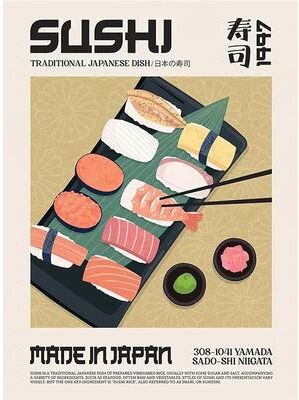
Uplifted Finds World Cuisine Canvas Art Gourmet Ravioli & Ramen Posters Executive Kitchen & Culinary Sanctuary Decor sku 2 40 X 60 Cm No Frame"Inaugurate a highculture ""EpicureanSanctuary"" energy in your environment with our World Cuisine Canvas Art. This premium gourmet food print collection is the ultimate designer solution for creating a ""GlobalModern"" or ""ExecutiveStudioLuxe""..."60,97 $*Shipping: 0,00 $Secure redirect to the provider
-
Inspire Picks Expandable Silverware Drawer Organizer Adjustable Utensil & Cutlery Tray white No TablewareKeep your kitchen neat and stressfree with this smart silverware drawer organizer designed for everyday convenience. Its expandable sides adjust to fit different drawer sizes, giving you a custom storage solution without effort. Perfect for spoons,...62,16 $*Shipping: 0,00 $Secure redirect to the provider
-
Uplifted Finds Obsidian Expandable Tray Precision Retractable Silverware Nexus Executive Studio & Culinary Sanctuary Decor white No Tableware"Inaugurate a seamless ""UtilitySanctuary"" energy in your environment with our Obsidian Expandable Tray. This premium expandable silverware drawer organizer is the ultimate designer solution for creating a ""PrecisionModern"" or ""ExecutiveStudioLuxe""..."222,97 $*Shipping: 0,00 $Secure redirect to the provider
-
Uplifted Finds World Cuisine Canvas Art Gourmet Ravioli & Ramen Posters Executive Kitchen & Culinary Sanctuary Decor sku 4 50 X 70 Cm No Frame"Inaugurate a highculture ""EpicureanSanctuary"" energy in your environment with our World Cuisine Canvas Art. This premium gourmet food print collection is the ultimate designer solution for creating a ""GlobalModern"" or ""ExecutiveStudioLuxe""..."70,97 $*Shipping: 0,00 $Secure redirect to the provider



-
Is Buddhism illogical?
Buddhism is not inherently illogical. It is a complex and diverse belief system that encompasses a wide range of philosophical and ethical teachings. While some aspects of Buddhist doctrine may seem counterintuitive or difficult to understand from a Western perspective, they are based on a different cultural and philosophical framework. Many Buddhist teachings emphasize the importance of critical thinking and personal experience, and encourage followers to question and explore their beliefs. Ultimately, whether Buddhism is considered logical or not may depend on one's own perspective and understanding of its teachings. **
-
What is the difference between Zen Buddhism and regular Buddhism?
The main difference between Zen Buddhism and regular Buddhism lies in their approach to meditation and enlightenment. Zen Buddhism, which originated in China and later developed in Japan, emphasizes the practice of meditation (zazen) as the primary means to attain enlightenment. It focuses on direct experience and intuitive understanding, often through the guidance of a teacher. Regular Buddhism, on the other hand, encompasses a variety of traditions and practices, with meditation being just one of them. It places more emphasis on the study of scriptures, ethical conduct, and the development of wisdom and compassion. While both Zen Buddhism and regular Buddhism share the same core teachings of the Four Noble Truths and the Eightfold Path, their methods and emphasis on practice differ. **
-
What is an unknown kitchen utensil?
An unknown kitchen utensil is a tool or implement that is not commonly recognized or used in the kitchen. It could be a specialized gadget or device that serves a specific purpose in food preparation or cooking, but is not widely known or understood by the general public. These utensils may be unique to certain cuisines or cooking techniques, and may require some explanation or demonstration to understand their function and use. **
-
What does Buddhism teach?
Buddhism teaches the Four Noble Truths, which are the truths of suffering, the cause of suffering, the end of suffering, and the path to the end of suffering. It also emphasizes the importance of mindfulness, compassion, and non-attachment. Buddhism teaches that all beings are interconnected and that the ultimate goal is to achieve enlightenment and liberation from the cycle of birth and death (samsara). **

What is Zen Buddhism?
Zen Buddhism is a school of Mahayana Buddhism that originated in China during the Tang dynasty and later spread to Japan. It emphasizes the practice of meditation (zazen) and the direct experience of enlightenment, or awakening. Zen teachings often focus on the concept of emptiness, impermanence, and the importance of living in the present moment. It is known for its minimalist approach, simplicity, and the use of paradoxical statements (koans) to provoke insight and break through conceptual thinking. **
Does Buddhism exclude Christianity?
Buddhism does not necessarily exclude Christianity. Both religions have different beliefs and practices, but individuals can choose to follow aspects of both faiths if they wish. Some people may find that certain teachings or practices from both Buddhism and Christianity complement each other, allowing them to incorporate elements of both into their spiritual beliefs. Ultimately, it is up to the individual to decide how they want to integrate different aspects of these religions into their own belief system. **
Top-Angebote
Products related to Buddhism:
-
Inspire Picks Expandable Silverware Drawer Organizer Adjustable Utensil & Cutlery Tray black No TablewareKeep your kitchen neat and stressfree with this smart silverware drawer organizer designed for everyday convenience. Its expandable sides adjust to fit different drawer sizes, giving you a custom storage solution without effort. Perfect for spoons,...62,36 $*Shipping: 0,00 $Secure redirect to the provider
-
Uplifted Finds Obsidian Expandable Tray Precision Retractable Silverware Nexus Executive Studio & Culinary Sanctuary Decor black No Tableware"Inaugurate a seamless ""UtilitySanctuary"" energy in your environment with our Obsidian Expandable Tray. This premium expandable silverware drawer organizer is the ultimate designer solution for creating a ""PrecisionModern"" or ""ExecutiveStudioLuxe""..."222,97 $*Shipping: 0,00 $Secure redirect to the provider
-
Uplifted Finds World Cuisine Canvas Art Gourmet Ravioli & Ramen Posters Executive Kitchen & Culinary Sanctuary Decor sku 2 40 X 60 Cm No Frame"Inaugurate a highculture ""EpicureanSanctuary"" energy in your environment with our World Cuisine Canvas Art. This premium gourmet food print collection is the ultimate designer solution for creating a ""GlobalModern"" or ""ExecutiveStudioLuxe""..."60,97 $*Shipping: 0,00 $Secure redirect to the provider
-
Inspire Picks Expandable Silverware Drawer Organizer Adjustable Utensil & Cutlery Tray white No TablewareKeep your kitchen neat and stressfree with this smart silverware drawer organizer designed for everyday convenience. Its expandable sides adjust to fit different drawer sizes, giving you a custom storage solution without effort. Perfect for spoons,...62,16 $*Shipping: 0,00 $Secure redirect to the provider
-
What are the differences between Buddhism and Tibetan Buddhism?
Buddhism is a broader religion that encompasses various traditions and schools, while Tibetan Buddhism is a specific branch of Buddhism that developed in Tibet. Tibetan Buddhism incorporates elements of Tibetan culture, such as rituals, deities, and practices like chanting and visualization. It also places a strong emphasis on the teachings of Tibetan Buddhist masters and the importance of the Dalai Lama. Additionally, Tibetan Buddhism includes unique practices such as the use of prayer flags, prayer wheels, and mandalas. **
-
What is the difference between Buddhism and Zen Buddhism?
Buddhism is a broader religion and philosophy that encompasses a variety of traditions and practices, while Zen Buddhism is a specific school or branch of Mahayana Buddhism that emphasizes meditation and direct experience of enlightenment. Zen Buddhism places a strong emphasis on the practice of meditation (zazen) as a means to achieve enlightenment, while traditional Buddhism incorporates a wider range of practices such as chanting, rituals, and study of Buddhist scriptures. Additionally, Zen Buddhism often focuses on the teachings of specific Zen masters and the importance of the teacher-student relationship in transmitting wisdom and insight. **
-
Is Buddhism illogical?
Buddhism is not inherently illogical. It is a complex and diverse belief system that encompasses a wide range of philosophical and ethical teachings. While some aspects of Buddhist doctrine may seem counterintuitive or difficult to understand from a Western perspective, they are based on a different cultural and philosophical framework. Many Buddhist teachings emphasize the importance of critical thinking and personal experience, and encourage followers to question and explore their beliefs. Ultimately, whether Buddhism is considered logical or not may depend on one's own perspective and understanding of its teachings. **
-
What is the difference between Zen Buddhism and regular Buddhism?
The main difference between Zen Buddhism and regular Buddhism lies in their approach to meditation and enlightenment. Zen Buddhism, which originated in China and later developed in Japan, emphasizes the practice of meditation (zazen) as the primary means to attain enlightenment. It focuses on direct experience and intuitive understanding, often through the guidance of a teacher. Regular Buddhism, on the other hand, encompasses a variety of traditions and practices, with meditation being just one of them. It places more emphasis on the study of scriptures, ethical conduct, and the development of wisdom and compassion. While both Zen Buddhism and regular Buddhism share the same core teachings of the Four Noble Truths and the Eightfold Path, their methods and emphasis on practice differ. **
Similar search terms for Buddhism
-
Uplifted Finds Obsidian Expandable Tray Precision Retractable Silverware Nexus Executive Studio & Culinary Sanctuary Decor white No Tableware"Inaugurate a seamless ""UtilitySanctuary"" energy in your environment with our Obsidian Expandable Tray. This premium expandable silverware drawer organizer is the ultimate designer solution for creating a ""PrecisionModern"" or ""ExecutiveStudioLuxe""..."222,97 $*Shipping: 0,00 $Secure redirect to the provider
-
Uplifted Finds World Cuisine Canvas Art Gourmet Ravioli & Ramen Posters Executive Kitchen & Culinary Sanctuary Decor sku 4 50 X 70 Cm No Frame"Inaugurate a highculture ""EpicureanSanctuary"" energy in your environment with our World Cuisine Canvas Art. This premium gourmet food print collection is the ultimate designer solution for creating a ""GlobalModern"" or ""ExecutiveStudioLuxe""..."70,97 $*Shipping: 0,00 $Secure redirect to the provider
-
Uplifted Finds World Cuisine Canvas Art Gourmet Ravioli & Ramen Posters Executive Kitchen & Culinary Sanctuary Decor sku 3 50 X 70 Cm No Frame"Inaugurate a highculture ""EpicureanSanctuary"" energy in your environment with our World Cuisine Canvas Art. This premium gourmet food print collection is the ultimate designer solution for creating a ""GlobalModern"" or ""ExecutiveStudioLuxe""..."70,97 $*Shipping: 0,00 $Secure redirect to the provider
-
Uplifted Finds World Cuisine Canvas Art Gourmet Ravioli & Ramen Posters Executive Kitchen & Culinary Sanctuary Decor sku 3 30 X 40 Cm No Frame"Inaugurate a highculture ""EpicureanSanctuary"" energy in your environment with our World Cuisine Canvas Art. This premium gourmet food print collection is the ultimate designer solution for creating a ""GlobalModern"" or ""ExecutiveStudioLuxe""..."50,97 $*Shipping: 0,00 $Secure redirect to the provider
-
What is an unknown kitchen utensil?
An unknown kitchen utensil is a tool or implement that is not commonly recognized or used in the kitchen. It could be a specialized gadget or device that serves a specific purpose in food preparation or cooking, but is not widely known or understood by the general public. These utensils may be unique to certain cuisines or cooking techniques, and may require some explanation or demonstration to understand their function and use. **
-
What does Buddhism teach?
Buddhism teaches the Four Noble Truths, which are the truths of suffering, the cause of suffering, the end of suffering, and the path to the end of suffering. It also emphasizes the importance of mindfulness, compassion, and non-attachment. Buddhism teaches that all beings are interconnected and that the ultimate goal is to achieve enlightenment and liberation from the cycle of birth and death (samsara). **
-
What is Zen Buddhism?
Zen Buddhism is a school of Mahayana Buddhism that originated in China during the Tang dynasty and later spread to Japan. It emphasizes the practice of meditation (zazen) and the direct experience of enlightenment, or awakening. Zen teachings often focus on the concept of emptiness, impermanence, and the importance of living in the present moment. It is known for its minimalist approach, simplicity, and the use of paradoxical statements (koans) to provoke insight and break through conceptual thinking. **
-
Does Buddhism exclude Christianity?
Buddhism does not necessarily exclude Christianity. Both religions have different beliefs and practices, but individuals can choose to follow aspects of both faiths if they wish. Some people may find that certain teachings or practices from both Buddhism and Christianity complement each other, allowing them to incorporate elements of both into their spiritual beliefs. Ultimately, it is up to the individual to decide how they want to integrate different aspects of these religions into their own belief system. **
* All prices are inclusive of VAT and, if applicable, plus shipping costs. The offer information is based on the details provided by the respective shop and is updated through automated processes. Real-time updates do not occur, so deviations can occur in individual cases. ** Note: Parts of this content were created by AI.