Buy forka.eu ?
We are moving the project
forka.eu .
Are you interested in purchasing the domain
forka.eu ?
domain@kv-gmbh.de · 0541-91531010
Buy forka.eu ?
Who invented bacteria?
The discovery of bacteria is attributed to Dutch scientist Antonie van Leeuwenhoek. He is considered the "Father of Microbiology" and is credited with being the first person to observe and document bacteria using a microscope in the 17th century. **
Are bacteria protists?
No, bacteria are not protists. Bacteria are single-celled microorganisms that lack a nucleus and other membrane-bound organelles, and they belong to the domain Bacteria. On the other hand, protists are a diverse group of eukaryotic microorganisms that can be single-celled or multicellular, and they belong to the domain Eukarya. Therefore, bacteria and protists are two distinct groups of microorganisms with different characteristics and evolutionary histories. **


Similar search terms for Bacteria
Top-Angebote
Products related to Bacteria:
-
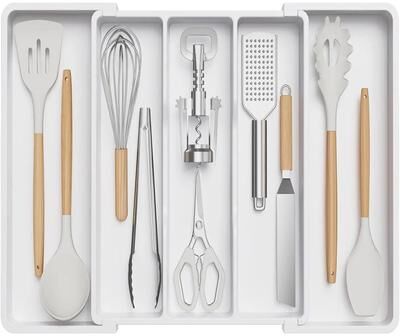
Uplifted Finds Obsidian Expandable Tray Precision Retractable Silverware Nexus Executive Studio & Culinary Sanctuary Decor white No Tableware"Inaugurate a seamless ""UtilitySanctuary"" energy in your environment with our Obsidian Expandable Tray. This premium expandable silverware drawer organizer is the ultimate designer solution for creating a ""PrecisionModern"" or ""ExecutiveStudioLuxe""..."222,97 $*Shipping: 0,00 $Secure redirect to the provider
-
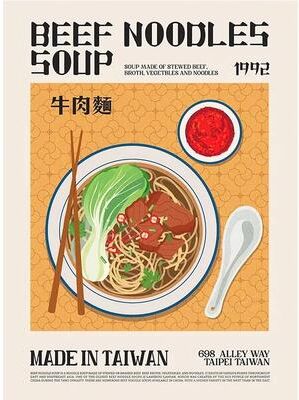
Uplifted Finds World Cuisine Canvas Art Gourmet Ravioli & Ramen Posters Executive Kitchen & Culinary Sanctuary Decor sku 3 30 X 40 Cm No Frame"Inaugurate a highculture ""EpicureanSanctuary"" energy in your environment with our World Cuisine Canvas Art. This premium gourmet food print collection is the ultimate designer solution for creating a ""GlobalModern"" or ""ExecutiveStudioLuxe""..."50,97 $*Shipping: 0,00 $Secure redirect to the provider
-
Inspire Picks Expandable Silverware Drawer Organizer Adjustable Utensil & Cutlery Tray black No TablewareKeep your kitchen neat and stressfree with this smart silverware drawer organizer designed for everyday convenience. Its expandable sides adjust to fit different drawer sizes, giving you a custom storage solution without effort. Perfect for spoons,...62,36 $*Shipping: 0,00 $Secure redirect to the provider
-
Uplifted Finds Obsidian Expandable Tray Precision Retractable Silverware Nexus Executive Studio & Culinary Sanctuary Decor black No Tableware"Inaugurate a seamless ""UtilitySanctuary"" energy in your environment with our Obsidian Expandable Tray. This premium expandable silverware drawer organizer is the ultimate designer solution for creating a ""PrecisionModern"" or ""ExecutiveStudioLuxe""..."222,97 $*Shipping: 0,00 $Secure redirect to the provider



-
What is an unknown kitchen utensil?
An unknown kitchen utensil is a tool or implement that is not commonly recognized or used in the kitchen. It could be a specialized gadget or device that serves a specific purpose in food preparation or cooking, but is not widely known or understood by the general public. These utensils may be unique to certain cuisines or cooking techniques, and may require some explanation or demonstration to understand their function and use. **
-
When are bacteria useful?
Bacteria are useful in various ways, such as in the production of food and beverages (e.g., yogurt, cheese, and beer), in the decomposition of organic matter, in the nitrogen cycle, in bioremediation processes, and in the production of antibiotics and other pharmaceuticals. Additionally, bacteria play a crucial role in our digestive system by aiding in the breakdown of food and the absorption of nutrients. **
-
Which bacteria form endospores?
Certain bacteria, such as Bacillus and Clostridium, are known to form endospores. These endospores are a dormant, tough, and non-reproductive structure that allows the bacteria to survive in harsh conditions, such as extreme temperatures, high levels of radiation, or lack of nutrients. Endospore formation is a survival mechanism for these bacteria, allowing them to remain viable until conditions become more favorable for growth and reproduction. **
-
How can bacteria survive?
Bacteria can survive in various ways, including forming spores that are resistant to harsh conditions, developing antibiotic resistance through genetic mutations, and forming biofilms that protect them from environmental stress. Additionally, bacteria can adapt to different environments by utilizing various metabolic pathways to obtain nutrients and energy. Some bacteria can also exchange genetic material through horizontal gene transfer, allowing them to acquire new traits that help them survive in changing conditions. **

Are these bacteria dangerous?
The bacteria mentioned in the text, Pseudomonas aeruginosa, can be dangerous for individuals with weakened immune systems or underlying health conditions. In healthy individuals, it may not cause any harm. However, if left untreated, Pseudomonas aeruginosa infections can lead to serious complications, especially in hospital settings where it can cause healthcare-associated infections. It is important to seek medical attention if you suspect an infection with this bacteria. **
How do bacteria feed?
Bacteria feed by absorbing nutrients from their environment through a process called diffusion. They release enzymes that break down complex molecules into simpler forms that can be easily absorbed. Some bacteria are able to engulf food particles through a process called phagocytosis. Overall, bacteria have diverse feeding strategies and can utilize a wide range of organic and inorganic compounds for their nutrition. **
Top-Angebote
Products related to Bacteria:
-
Inspire Picks Expandable Silverware Drawer Organizer Adjustable Utensil & Cutlery Tray white No TablewareKeep your kitchen neat and stressfree with this smart silverware drawer organizer designed for everyday convenience. Its expandable sides adjust to fit different drawer sizes, giving you a custom storage solution without effort. Perfect for spoons,...62,16 $*Shipping: 0,00 $Secure redirect to the provider
-
Uplifted Finds Obsidian Expandable Tray Precision Retractable Silverware Nexus Executive Studio & Culinary Sanctuary Decor white No Tableware"Inaugurate a seamless ""UtilitySanctuary"" energy in your environment with our Obsidian Expandable Tray. This premium expandable silverware drawer organizer is the ultimate designer solution for creating a ""PrecisionModern"" or ""ExecutiveStudioLuxe""..."222,97 $*Shipping: 0,00 $Secure redirect to the provider
-
Uplifted Finds World Cuisine Canvas Art Gourmet Ravioli & Ramen Posters Executive Kitchen & Culinary Sanctuary Decor sku 3 30 X 40 Cm No Frame"Inaugurate a highculture ""EpicureanSanctuary"" energy in your environment with our World Cuisine Canvas Art. This premium gourmet food print collection is the ultimate designer solution for creating a ""GlobalModern"" or ""ExecutiveStudioLuxe""..."50,97 $*Shipping: 0,00 $Secure redirect to the provider
-
Who invented bacteria?
The discovery of bacteria is attributed to Dutch scientist Antonie van Leeuwenhoek. He is considered the "Father of Microbiology" and is credited with being the first person to observe and document bacteria using a microscope in the 17th century. **
-
Are bacteria protists?
No, bacteria are not protists. Bacteria are single-celled microorganisms that lack a nucleus and other membrane-bound organelles, and they belong to the domain Bacteria. On the other hand, protists are a diverse group of eukaryotic microorganisms that can be single-celled or multicellular, and they belong to the domain Eukarya. Therefore, bacteria and protists are two distinct groups of microorganisms with different characteristics and evolutionary histories. **
-
What is an unknown kitchen utensil?
An unknown kitchen utensil is a tool or implement that is not commonly recognized or used in the kitchen. It could be a specialized gadget or device that serves a specific purpose in food preparation or cooking, but is not widely known or understood by the general public. These utensils may be unique to certain cuisines or cooking techniques, and may require some explanation or demonstration to understand their function and use. **
-
When are bacteria useful?
Bacteria are useful in various ways, such as in the production of food and beverages (e.g., yogurt, cheese, and beer), in the decomposition of organic matter, in the nitrogen cycle, in bioremediation processes, and in the production of antibiotics and other pharmaceuticals. Additionally, bacteria play a crucial role in our digestive system by aiding in the breakdown of food and the absorption of nutrients. **
Similar search terms for Bacteria
-
Inspire Picks Expandable Silverware Drawer Organizer Adjustable Utensil & Cutlery Tray black No TablewareKeep your kitchen neat and stressfree with this smart silverware drawer organizer designed for everyday convenience. Its expandable sides adjust to fit different drawer sizes, giving you a custom storage solution without effort. Perfect for spoons,...62,36 $*Shipping: 0,00 $Secure redirect to the provider
-
Uplifted Finds Obsidian Expandable Tray Precision Retractable Silverware Nexus Executive Studio & Culinary Sanctuary Decor black No Tableware"Inaugurate a seamless ""UtilitySanctuary"" energy in your environment with our Obsidian Expandable Tray. This premium expandable silverware drawer organizer is the ultimate designer solution for creating a ""PrecisionModern"" or ""ExecutiveStudioLuxe""..."222,97 $*Shipping: 0,00 $Secure redirect to the provider
-
Uplifted Finds World Cuisine Canvas Art Gourmet Ravioli & Ramen Posters Executive Kitchen & Culinary Sanctuary Decor sku 21 50 X 70 Cm No Frame"Inaugurate a highculture ""EpicureanSanctuary"" energy in your environment with our World Cuisine Canvas Art. This premium gourmet food print collection is the ultimate designer solution for creating a ""GlobalModern"" or ""ExecutiveStudioLuxe""..."70,97 $*Shipping: 0,00 $Secure redirect to the provider
-
Uplifted Finds World Cuisine Canvas Art Gourmet Ravioli & Ramen Posters Executive Kitchen & Culinary Sanctuary Decor sku 8 40 X 60 Cm No Frame"Inaugurate a highculture ""EpicureanSanctuary"" energy in your environment with our World Cuisine Canvas Art. This premium gourmet food print collection is the ultimate designer solution for creating a ""GlobalModern"" or ""ExecutiveStudioLuxe""..."60,97 $*Shipping: 0,00 $Secure redirect to the provider
-
Which bacteria form endospores?
Certain bacteria, such as Bacillus and Clostridium, are known to form endospores. These endospores are a dormant, tough, and non-reproductive structure that allows the bacteria to survive in harsh conditions, such as extreme temperatures, high levels of radiation, or lack of nutrients. Endospore formation is a survival mechanism for these bacteria, allowing them to remain viable until conditions become more favorable for growth and reproduction. **
-
How can bacteria survive?
Bacteria can survive in various ways, including forming spores that are resistant to harsh conditions, developing antibiotic resistance through genetic mutations, and forming biofilms that protect them from environmental stress. Additionally, bacteria can adapt to different environments by utilizing various metabolic pathways to obtain nutrients and energy. Some bacteria can also exchange genetic material through horizontal gene transfer, allowing them to acquire new traits that help them survive in changing conditions. **
-
Are these bacteria dangerous?
The bacteria mentioned in the text, Pseudomonas aeruginosa, can be dangerous for individuals with weakened immune systems or underlying health conditions. In healthy individuals, it may not cause any harm. However, if left untreated, Pseudomonas aeruginosa infections can lead to serious complications, especially in hospital settings where it can cause healthcare-associated infections. It is important to seek medical attention if you suspect an infection with this bacteria. **
-
How do bacteria feed?
Bacteria feed by absorbing nutrients from their environment through a process called diffusion. They release enzymes that break down complex molecules into simpler forms that can be easily absorbed. Some bacteria are able to engulf food particles through a process called phagocytosis. Overall, bacteria have diverse feeding strategies and can utilize a wide range of organic and inorganic compounds for their nutrition. **
* All prices are inclusive of VAT and, if applicable, plus shipping costs. The offer information is based on the details provided by the respective shop and is updated through automated processes. Real-time updates do not occur, so deviations can occur in individual cases. ** Note: Parts of this content were created by AI.