Buy forka.eu ?
We are moving the project
forka.eu .
Are you interested in purchasing the domain
forka.eu ?
domain@kv-gmbh.de · 0541-91531010
Buy forka.eu ?
How can one seal the kitchen baseboard?
To seal the kitchen baseboard, start by cleaning the area thoroughly to remove any dirt or debris. Next, apply a bead of caulk along the top and bottom edges of the baseboard where it meets the wall and floor. Use a caulk gun for precision and smooth out the caulk with a damp cloth or your finger. Allow the caulk to dry completely before painting over it to match the baseboard. **
How can one seal the kitchen backsplash?
To seal a kitchen backsplash, you can use a clear, waterproof sealant such as silicone caulk. Before applying the sealant, make sure the backsplash is clean and dry. Apply the sealant along the edges and seams of the backsplash to create a watertight barrier. Allow the sealant to dry completely before using the kitchen to ensure a proper seal. **


Similar search terms for Euroricambi-95534396-Shaft-Seal
Top-Angebote
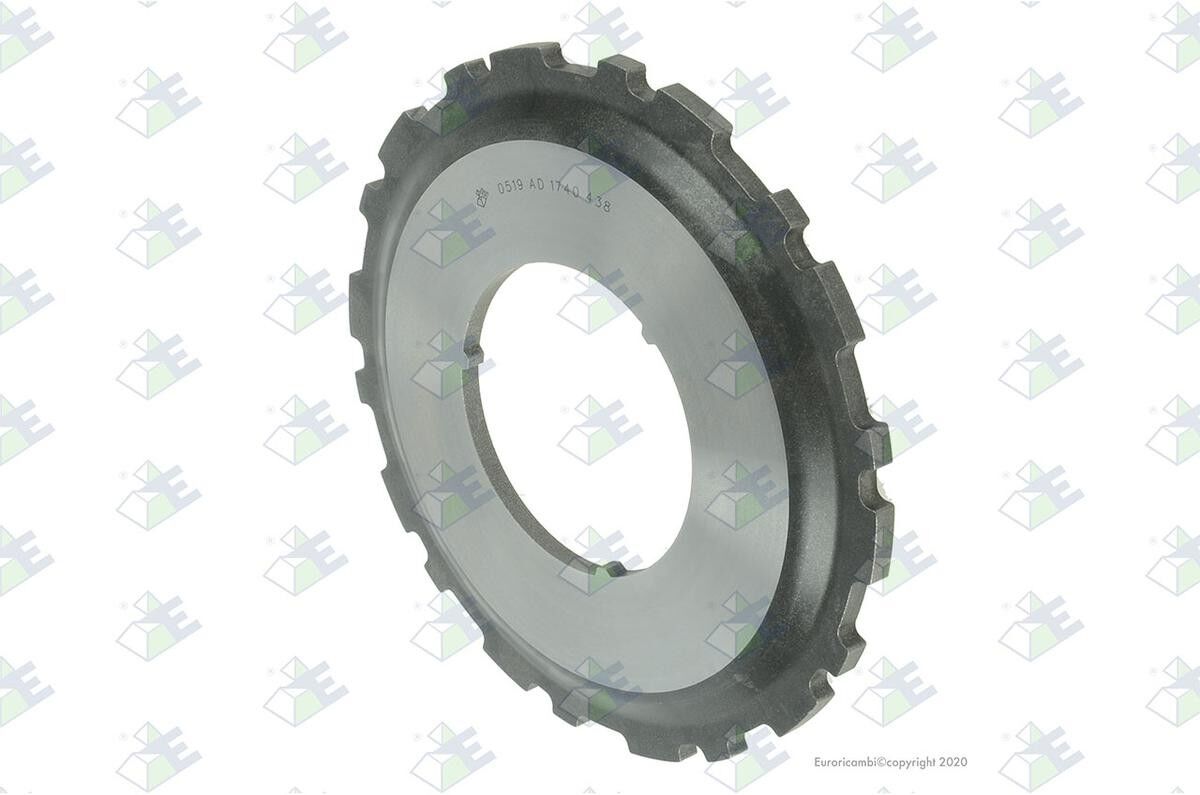
Products related to Euroricambi-95534396-Shaft-Seal:


-
How can you seal the kitchen worktop trim?
To seal the kitchen worktop trim, you can use a clear silicone sealant or a specialized trim sealant. First, ensure the trim is clean and dry before applying the sealant. Use a caulking gun to apply a thin, even layer of sealant along the edges of the trim where it meets the worktop. Smooth out the sealant with a damp cloth or your finger to create a neat finish. Allow the sealant to dry completely before using the worktop. **
-
How can one seal the kitchen backsplash strip?
To seal a kitchen backsplash strip, you can use a clear silicone caulk. Before applying the caulk, make sure the area is clean and dry. Apply a thin bead of caulk along the edges of the backsplash strip and smooth it out with a caulk finishing tool or your finger. Allow the caulk to dry completely before exposing it to water or moisture. This will help prevent water damage and keep the backsplash strip looking new for longer. **
-
What about the shaft?
The shaft is a long, narrow part of a structure or object that typically provides support or serves as a passageway. In the context of machinery or equipment, the shaft is often used to transmit power or motion from one part to another. It is important to ensure that the shaft is properly aligned, lubricated, and maintained to prevent wear and damage, which can lead to equipment failure. **
-
Is it a mechanical shaft?
Without more context or information, it is difficult to determine if the object in question is a mechanical shaft. A mechanical shaft is typically a rotating component used to transmit power in machinery. To determine if the object is a mechanical shaft, one would need to examine its shape, size, material, and function within a larger system. If the object is cylindrical, metal, and part of a machine that requires rotational movement, it is possible that it could be a mechanical shaft. **
What is a supply shaft?
A supply shaft is a vertical or inclined tunnel used to transport materials, equipment, or personnel between the surface and underground mining operations. It serves as a vital lifeline for miners by providing access to the underground workings for ventilation, transportation, and the delivery of supplies. Supply shafts are typically equipped with cages or skips that move up and down the shaft to transport materials and personnel safely. These shafts are essential for the efficient operation of underground mines. **
How is a shaft constructed?
A shaft is typically constructed by first excavating the ground to the required depth and diameter. Then, a support structure such as steel or concrete lining is installed to stabilize the walls of the shaft and prevent collapse. The shaft may also be reinforced with additional materials such as rock bolts or shotcrete. Finally, the bottom of the shaft is often sealed with a concrete plug to provide a stable foundation for any structures or equipment that will be installed within the shaft. **
Top-Angebote
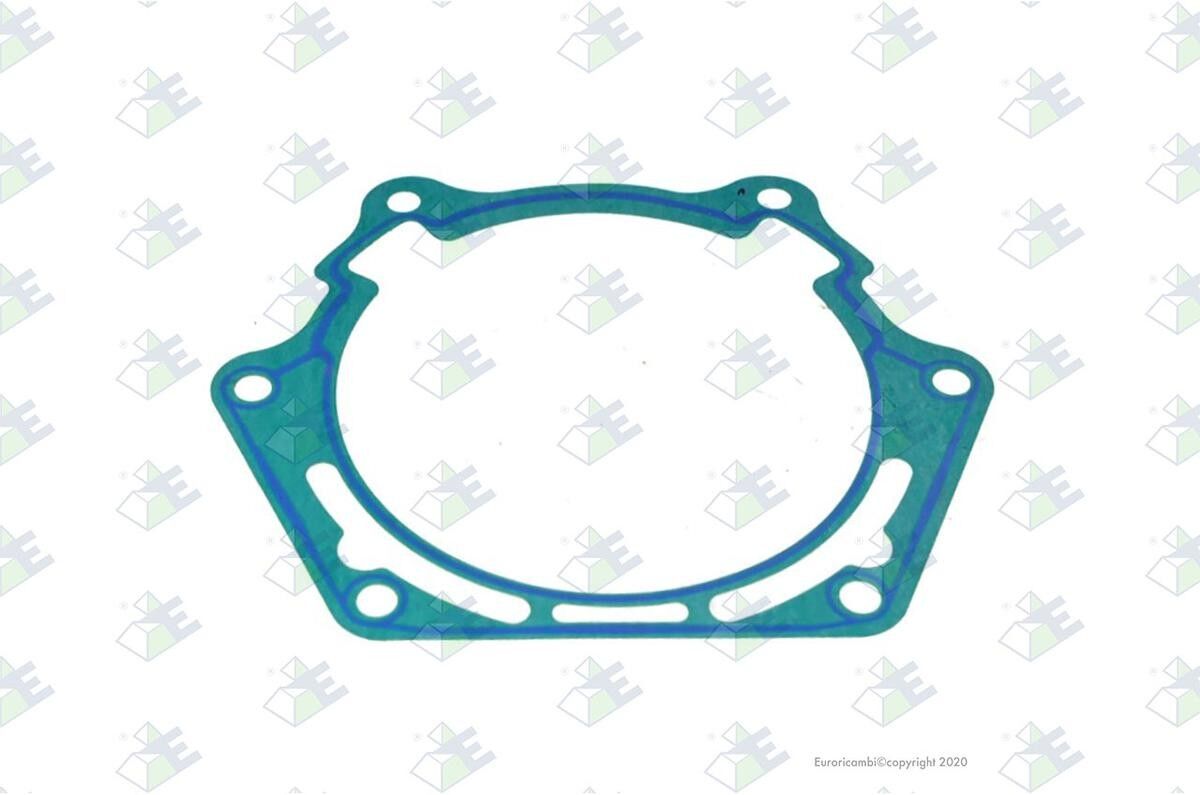
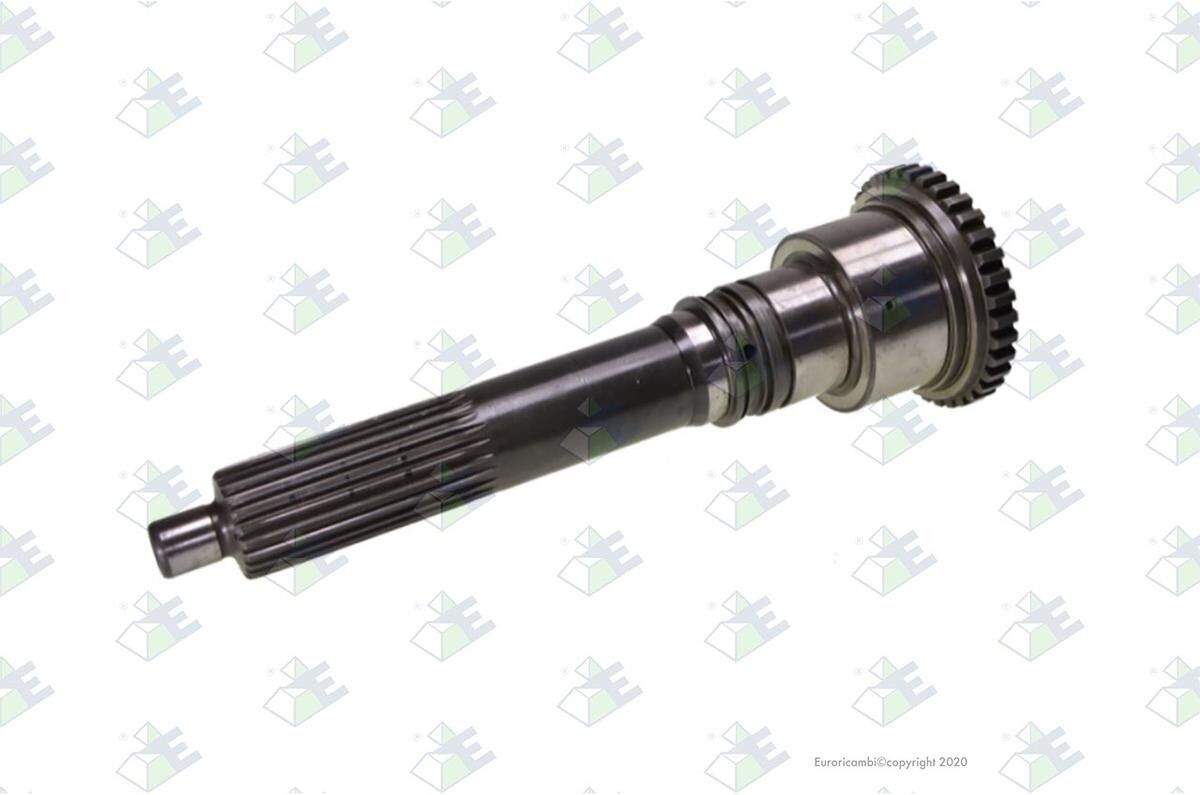
Products related to Euroricambi-95534396-Shaft-Seal:
-
Euroricambi 95531973 Shaft Seal, manual transmissionFitting Position: transmission sided; Weight [g]: 27; Inner Diameter [mm]: 55; Outer Diameter [mm]: 75; Height 1 [mm]: 8; Height 2 [mm]: 9,2; Transmission Code: ZF ECOSPLIT III:, 16S151/16S181/16S221, ZF NEW ECOSPLIT III:, 16S2321/ 16S25206,29 £*Shipping: 8,45 £Secure redirect to the provider
-
How can one seal the kitchen baseboard?
To seal the kitchen baseboard, start by cleaning the area thoroughly to remove any dirt or debris. Next, apply a bead of caulk along the top and bottom edges of the baseboard where it meets the wall and floor. Use a caulk gun for precision and smooth out the caulk with a damp cloth or your finger. Allow the caulk to dry completely before painting over it to match the baseboard. **
-
How can one seal the kitchen backsplash?
To seal a kitchen backsplash, you can use a clear, waterproof sealant such as silicone caulk. Before applying the sealant, make sure the backsplash is clean and dry. Apply the sealant along the edges and seams of the backsplash to create a watertight barrier. Allow the sealant to dry completely before using the kitchen to ensure a proper seal. **
-
How can you seal the kitchen worktop trim?
To seal the kitchen worktop trim, you can use a clear silicone sealant or a specialized trim sealant. First, ensure the trim is clean and dry before applying the sealant. Use a caulking gun to apply a thin, even layer of sealant along the edges of the trim where it meets the worktop. Smooth out the sealant with a damp cloth or your finger to create a neat finish. Allow the sealant to dry completely before using the worktop. **
-
How can one seal the kitchen backsplash strip?
To seal a kitchen backsplash strip, you can use a clear silicone caulk. Before applying the caulk, make sure the area is clean and dry. Apply a thin bead of caulk along the edges of the backsplash strip and smooth it out with a caulk finishing tool or your finger. Allow the caulk to dry completely before exposing it to water or moisture. This will help prevent water damage and keep the backsplash strip looking new for longer. **
Similar search terms for Euroricambi-95534396-Shaft-Seal
-
What about the shaft?
The shaft is a long, narrow part of a structure or object that typically provides support or serves as a passageway. In the context of machinery or equipment, the shaft is often used to transmit power or motion from one part to another. It is important to ensure that the shaft is properly aligned, lubricated, and maintained to prevent wear and damage, which can lead to equipment failure. **
-
Is it a mechanical shaft?
Without more context or information, it is difficult to determine if the object in question is a mechanical shaft. A mechanical shaft is typically a rotating component used to transmit power in machinery. To determine if the object is a mechanical shaft, one would need to examine its shape, size, material, and function within a larger system. If the object is cylindrical, metal, and part of a machine that requires rotational movement, it is possible that it could be a mechanical shaft. **
-
What is a supply shaft?
A supply shaft is a vertical or inclined tunnel used to transport materials, equipment, or personnel between the surface and underground mining operations. It serves as a vital lifeline for miners by providing access to the underground workings for ventilation, transportation, and the delivery of supplies. Supply shafts are typically equipped with cages or skips that move up and down the shaft to transport materials and personnel safely. These shafts are essential for the efficient operation of underground mines. **
-
How is a shaft constructed?
A shaft is typically constructed by first excavating the ground to the required depth and diameter. Then, a support structure such as steel or concrete lining is installed to stabilize the walls of the shaft and prevent collapse. The shaft may also be reinforced with additional materials such as rock bolts or shotcrete. Finally, the bottom of the shaft is often sealed with a concrete plug to provide a stable foundation for any structures or equipment that will be installed within the shaft. **
* All prices are inclusive of VAT and, if applicable, plus shipping costs. The offer information is based on the details provided by the respective shop and is updated through automated processes. Real-time updates do not occur, so deviations can occur in individual cases. ** Note: Parts of this content were created by AI.